Are you wondering how soil health and nutrition play a huge role in organic gardening? Here, soil is not just dirt but a thriving ecosystem that holds the key to bountiful harvests. you’ll find out way more insights about developing organic gardens like a pro.
Still according to professionals from Aggressively Organic, whether you’re an experienced green thumb or just starting out with your backyard oasis, understanding the importance of soil health and nutrition is crucial for cultivating a truly sustainable garden. Today, let’s dive deeper into the role of soil in organic farming success and explore proven methods for enriching and nurturing it.
The Role of Soil in Organic Farming Success
The foundation of any successful organic farm or garden lies in its soil. Soil is not just a medium for plants to grow; it’s a complex ecosystem teeming with life, nutrients, and microorganisms that work together to support plant growth. One key aspect of soil health is its ability to retain moisture. As mentioned by M. Charles Gould in his study titled “Compost increases the water-holding capacity of droughty soils,” organic matter like compost helps improve the soil’s water-holding capacity, reducing the need for frequent watering and conserving this precious resource. Additionally, a healthy soil structure allows water to penetrate deeply into the ground rather than running off the surface.
Furthermore, organic farming relies on nutrient-rich soil. Unlike conventional methods that rely heavily on synthetic fertilizers, organic gardens focus on building up natural fertility through composting and other sustainable practices. This ensures that plants receive a balanced supply of essential macronutrients like nitrogen, phosphorus, and potassium, as well as micronutrients necessary for optimal growth.
Incorporating Trusted Composting and Fertilizing Methods
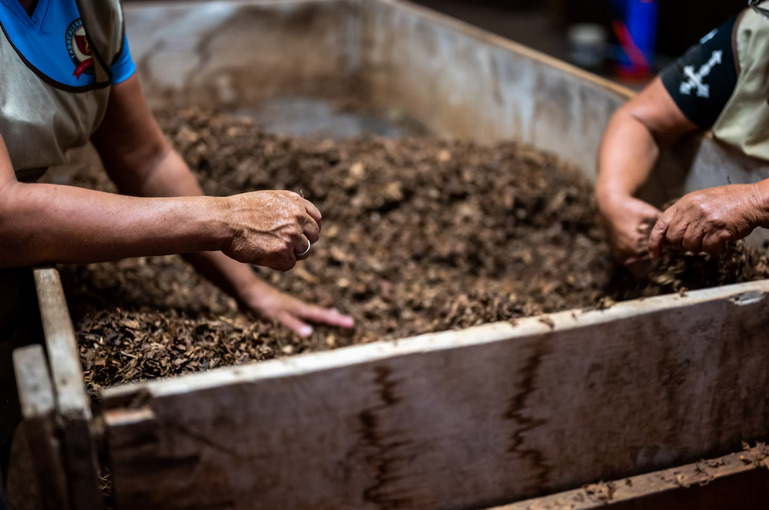
Composting is a natural process that involves decomposing organic materials such as kitchen scraps, yard waste, and manure. By creating your own compost pile or using commercially available compost products, you can provide essential nutrients to your plants in a sustainable way. Compost enriches the soil with beneficial microorganisms and improves its structure, allowing for better water retention and root development. Fertilizing is another important aspect of maintaining soil health in an organic garden.
In fact, Kym Pokorny from www.extension.oregonstate.edu explained that organic fertilizers derived from plant or animal sources are preferred over synthetic options as they promote long-term soil fertility without harming beneficial organisms. Some popular examples include bone meal, seaweed extract, and fish emulsion. To ensure success when incorporating these methods into your gardening routine, it’s important to follow best practices. This includes properly balancing carbon-rich “browns” (like dried leaves) with nitrogen-rich “greens” (such as grass clippings), turning the compost regularly for proper aeration, and avoiding adding diseased plant material or invasive weeds.
Proprietary Soil Enrichment Techniques Developed by Aggressively Organic
When it comes to building a thriving organic garden, the quality of your soil is paramount. And that’s where Aggressively Organic comes in with their innovative and proprietary soil enrichment techniques. With years of research and experimentation under their belt, Aggressively Organic has developed methods that go beyond traditional composting and fertilizing.
Their approach focuses on harnessing the power of beneficial microorganisms to enhance soil health and nutrition. One such technique involves the use of specially formulated microbial blends that are carefully cultivated to promote nutrient cycling and improve overall soil structure. These blends work symbiotically with plants, helping them absorb essential nutrients more efficiently while combating harmful pathogens. Another key aspect of Aggressively Organics’ proprietary techniques is their emphasis on regenerative practices. They prioritize replenishing the organic matter in the soil through cover cropping, crop rotation, and minimal tillage. This not only enhances fertility but also promotes biodiversity within the ecosystem.
Wrapping Up
Understanding the importance of soil health and nutrition is crucial for building a thriving organic garden. By recognizing the role that soil plays in organic farming success, incorporating trusted composting and fertilizing methods, utilizing proprietary soil enrichment techniques developed by Aggressively Organics, and monitoring and maintaining soil health over time, you can create an environment that promotes optimal plant growth and yields.
If you’re interested in delving deeper into the world of organic gardening or seeking additional resources to help you on your journey toward sustainable agriculture, look no further than aggressivelyorganic.com. Their website provides a wealth of information about organic gardens, including sustainable tips for starting your own garden, care advice for various plant species, tapping into their team’s expert horticultural knowledge, and more.