
Electricity powers our modern lives, and understanding your home electrical system is key to maintaining a safe and functional living space. Although things may seem easy to handle, many leading Melbourne electricians still recommend regular inspections and maintenance to ensure that your electrical system operates efficiently and safely. These professionals can help identify potential hazards, upgrade outdated components, and provide expert advice on energy-saving practices. In this article, we’ll explore the components and functions of your home electrical system in a friendly and informative tone.
The Basics of Home Electricity
Before diving into the specifics, let’s start with the basics. Your home electrical system is designed to deliver power from the utility grid to your outlets, appliances, and lighting fixtures. It consists of several key components that work together to ensure a reliable supply of electricity.
Main Components of a Home Electrical System

- Service Entrance: This is where your home connects to the utility’s power lines. It typically includes a weatherhead, meter, and service panel (also known as a breaker box).
- Service Panel/Breaker Box: The service panel houses circuit breakers or fuses that control the flow of electricity to different parts of your home. A breaker protects each circuit or fuse to prevent overloads and electrical fires.
- Circuits: Circuits distribute electricity to specific areas or appliances in your home. There are different types of circuits, including lighting circuits, outlet circuits, and dedicated circuits for high-power appliances like refrigerators or air conditioners.
- Wiring: Electrical wiring carries electricity from the service panel to outlets, switches, and light fixtures throughout your home. It’s important to use the correct gauge and type of wiring for each circuit to ensure safety and efficiency.
- Outlets and Switches: Outlets provide access to electricity for plugging in devices, while switches control the flow of electricity to lights and appliances.
- Grounding System: The grounding system is crucial for safety. It provides a path for excess electricity to dissipate safely, reducing the risk of electrical shocks and damage to appliances.
How It Works
When you plug in a device or turn on a light, electricity flows from the service panel through the wiring to the outlet or fixture. The circuit breaker or fuse protects the circuit by shutting off power if there’s an overload or short circuit, preventing damage to the wiring and appliances.
Safety Tips
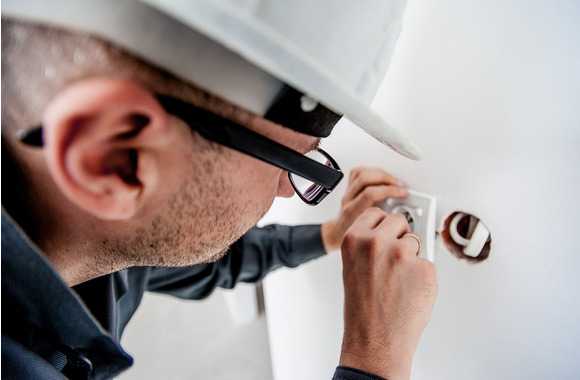
- Regularly inspect your electrical system for signs of wear or damage.
- Avoid overloading circuits by plugging too many devices into the same outlet.
- Use surge protectors to safeguard sensitive electronics from power surges.
- Hire a qualified electrician for any electrical work or upgrades in your home.
Understanding your home electrical system empowers you to use electricity safely and efficiently. By familiarizing yourself with its components and functions, you can identify potential issues early, maintain a reliable power supply, and ensure the safety of your household. Remember, when it comes to electricity, safety always comes first.…

