
Outdoor kitchens have become a favorite feature for homeowners who enjoy cooking, relaxing, and entertaining in their backyard. The idea sounds simple: install a grill, add a countertop, and place a few chairs nearby. Yet the reality often turns more complicated once planning begins. Many outdoor kitchens fail to deliver comfort or convenience because important details were overlooked at the start. Weather exposure, layout design, and equipment placement all affect how well the space functions over time. Without thoughtful preparation, a backyard cooking area can become expensive yet frustrating to use. By learning the most common mistakes early, homeowners can build an outdoor kitchen that supports daily cooking, social gatherings, and weekend barbecues while avoiding design problems that limit enjoyment later.
Ignoring Proper Layout and Workflow

One of the biggest mistakes people make is treating an outdoor kitchen like a random collection of appliances rather than a functional cooking space. A grill placed too far from the preparation counter forces the cook to walk back and forth repeatedly. Likewise, a refrigerator located across the patio can interrupt the flow of meal preparation. A good layout follows a simple idea often used in indoor kitchens: the work triangle. This concept connects the cooking area, preparation surface, and cold storage within comfortable reach.
If these elements are scattered without logic, the cooking process becomes awkward and slow. Homeowners should also think about traffic flow. Guests often gather around the grill or serving counter, which can block access to the cooking zone. Creating a small separation between the cooking station and the social seating area keeps movement smooth and reduces the chance of accidents. Another layout detail sometimes forgotten involves counter space. Many outdoor kitchens include a grill but lack sufficient room for food preparation, utensils, or serving trays. Adding enough workspace makes outdoor cooking far more enjoyable.
Choosing the Wrong Materials
Outdoor kitchens face very different conditions compared to indoor spaces. Sunlight, rain, wind, and temperature changes constantly affect the surfaces and equipment outside. Selecting materials that cannot handle these conditions often leads to fading, rust, cracking, or peeling. For example, untreated wood cabinets may warp after repeated exposure to moisture. Standard indoor countertops can stain or weaken under direct sunlight. Even some metals corrode quickly if they are not made for outdoor use.
Durable materials such as stainless steel, sealed stone, concrete, or weather-resistant tiles generally perform better in open-air environments. These options tolerate heat, moisture, and changing weather patterns with fewer problems. Appliances must also be designed for outdoor use. Outdoor-rated refrigerators, grills, and storage units are built to handle humidity and dust. Installing indoor equipment outside may seem cheaper at first, yet it often leads to early replacement costs.
Forgetting About Utilities and Infrastructure
Another frequent planning mistake involves overlooking the practical systems that support cooking. Outdoor kitchens often require electricity, gas, water supply, and proper drainage. If these elements are not planned early, installation becomes expensive and disruptive later. Electric outlets may be needed for lighting, small appliances, or even music systems. Gas lines might supply built-in grills or side burners. Some outdoor kitchens also include sinks, which require plumbing connections and drainage systems.
Ventilation is another factor worth attention. Smoke and heat from grills need space to dissipate safely. In covered patios or enclosed outdoor areas, poor ventilation can create discomfort and even safety risks. Lighting is equally important but often forgotten during planning. Cooking after sunset becomes difficult without task lighting over preparation areas and grills. Ambient lighting for dining spaces also helps create a welcoming atmosphere for evening gatherings. Considering these infrastructure needs early in the design stage prevents last-minute construction work and additional expenses.
Overlooking Storage and Seating Needs
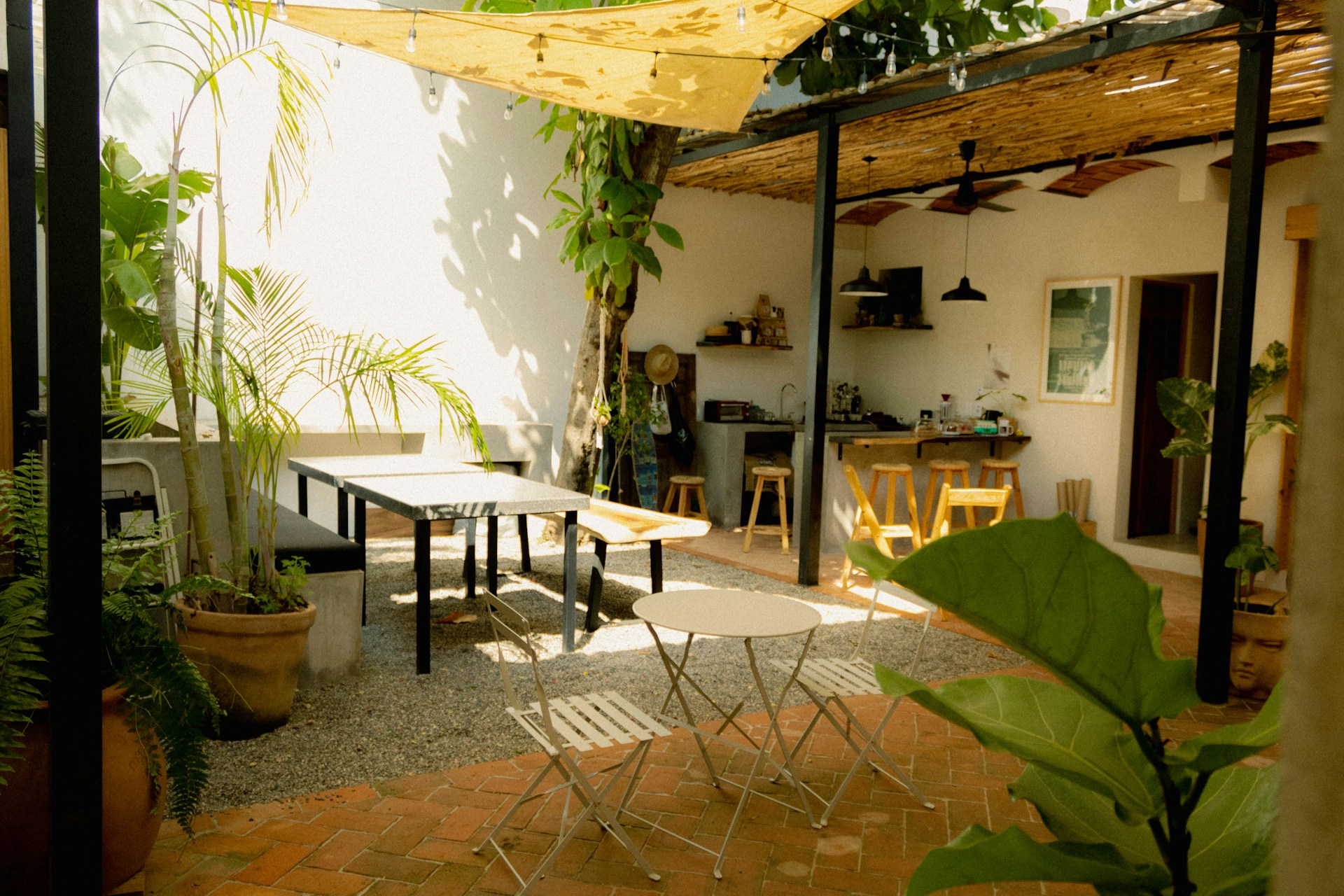
Many outdoor kitchens focus heavily on the grill and cooking appliances while ignoring storage and seating. Without storage space, utensils, cookware, and cleaning supplies may need to be carried back and forth from the indoor kitchen each time food is prepared. Weather-resistant cabinets or drawers provide convenient places to keep grilling tools, plates, and condiments nearby. This small feature makes outdoor cooking much more practical.
Seating also deserves attention during planning. Guests usually gather around the cooking area, especially during parties or family events. If there are no comfortable places to sit, people may drift away from the space. Including bar seating near the preparation counter or placing a nearby dining table encourages social interaction while meals are being prepared. Shade structures, pergolas, or umbrellas can also improve comfort during hot afternoons. Balancing cooking, storage, and seating areas helps create an outdoor kitchen that feels welcoming rather than purely functional.
Conclusion
Planning an outdoor kitchen involves more than choosing a grill and placing it …

